.png)
The Psychology Behind Why People Respond to Postcards
Postcard postal campaigns have unique benefits that other marketing campaigns don't. They have a unique power over the mind. A postcard feels like a tangible, personal possession, which is part of why it tends to lead to higher response rates.
Data from the research company Research and Metric suggests that nearly 95% of customer decisions are driven by emotion. Guiding these emotions is important in marketing campaigns, and postcards are one of the most effective ways to do it.
What Is a Mailing Campaign?
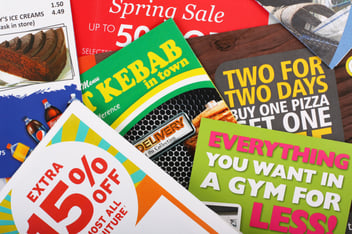
Mail campaigns are also known as postal campaigns. These targeted marketing efforts go beyond the digital.
They involve sending out specific physical items. Also known as direct mail, they could include:
- Postcards
- Catalogues
- Letters
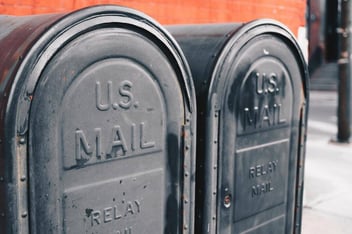
They're delivered to mailboxes instead of inboxes. When they're successful, they can lead to benefits. Direct mail campaigns can create:
- High engagement
- Memorability
- Cost-effectiveness
How Is Psychology Used in Marketing?
Marketers may not realise that they use psychology every day. They're relying on psychological principles to influence consumers. You want to convince them to take a specific action, whether that's making a purchase or signing up for a mailing list.
Some principles apply to all marketing, such as how color theory shapes how you feel about a piece based on its appearance. Others apply more to direct mail and make it especially effective at influencing the psychology of customers.
Why Customers Respond to Postcard Marketing
Postcards often get better responses than digital mail. Natural psychological tendencies make their personalization and tangibility feel more important and memorable.
Psychology Tendencies
What makes psychological marketing so tricky and so powerful is that the brain is unpredictable. It can respond in ways that you don't realize, but marketers can use these inherent biases.
There are specific psychological triggers at work in a well-designed postcard, such as:
- Scarcity
- Urgency
- FOMO
These tell your brain that the offer on the postcard is too enticing to pass up. You need to use it now. The fact that you keep seeing it at home over and over enhances the effect.
There are also powerful changes that come from the postcard being a physical item. You feel ownership over it that you wouldn't feel over a random email.
The ownership or endowment effect explains why you tend to think more highly of what you own. This explains why, when a postcard gets delivered, you feel as if you "own" it and are less likely to discard it.
Psychologists Fergus I.M. Craik and Endel Tulving examined the self-reference effect. You remember targeted postal advertising that feels like it was meant for you.
These tendencies lead to deeper encoding. You remember the postcard better than a traditional email. They also make you more likely to respond to it.
Personalization
Personalization is key to any marketing effort, and that includes mail campaign success.
They make customers feel recognized and seen. That makes them trust your brand more. It also makes them more likely to respond.
Design and Tangibility
Postcards are a tangible item. That alone increases their psychological impact.
They also have to be opened. That moment of touch connects you to them. It increases the self-reference and endowment effects.
If the design is clear and leads with visuals, you can understand it quickly. That gets it into your brain and helps it remain there.
Social Connection
The tradition of sending friends postcards during a long trip is fading. The social connection that comes with getting one will never fade.
Postcards create a social connection between customers and brands. This leads to a positive social connection that fosters trust and increases the likelihood of a response.
How to Tap Into the Psychology of Postcards
Make sure the card includes an offer that fits your industry. For real estate postcards, this could include:
- Customized property valuations
- Local market data
- Guide to buying and selling in certain areas
- Professional photography for sellers
- Moving cost planning tools and estimates
Use natural psychological tendencies to increase response rates. Play on scarcity and urgency with limited-time offers or codes. You can also add free items or use tiered pricing.
Postcard design is a critical way to utilize psychology. Carefully choose elements such as color and typography.
It's also critical to think about what the postcard will say. Make offers specific enough to explain in one sentence. Use a clear, deadline-oriented call to action.
Tailor postcard designs to specific customer bases. Use personalized messaging, such as:
- Names
- Tailored advertising
- Local offers
Use the postcard to start a positive relationship with customers. Include relational clues, such as birthday offers and community messages.
Come up with different versions of your postcards and test them. Try different visual elements. Track which ones are getting the highest response rates.
Frequently Asked Questions
What Is a Reply Postcard?
A reply postcard is a postage-paid stamp or coupon. It can be mailed back to the sender to place an order or request more information. This is the type of postcard used in postcard marketing.
What Are Common Postcard Mistakes?
Typos and grammatical errors are among the most common postcard mistakes. Others include:
- Targeting the wrong customers
- Not having a call to action
- Not personalizing the postcard
- Presenting a sales pitch, not an offer
- Poor design
- Not providing contact information
They reflect poorly on a business and make the customer less likely to respond.
Are There Rules for Postcards?
Yes, there are rules. Always follow the UPS standards. They regulate elements of your postcard, such as its:
- Size
- Shape
- Thickness
If you don't follow them, your postcard could be considered a letter and charged letter-size postage. Attaching a sticker or magnet could also disqualify it from the First-Class Mail postage price.
What Is the Hobby of Collecting Postcards Called?
It's called deltiology. The word comes from the Greek word deltos, which means writing tablet or letter.
Begin Your Postal Campaigns Today
Postcard postal campaigns play on customer psychology, giving them a unique and personal item to hold. That connection with the postcard and the brand leads to better recall and response rates.
Taradel is a team of marketing experts. We'll be your most loyal allies along the marketing journey. Your next best customer and next lofty business goal are only a step away with our help.
Plan your next campaign with us today.